Planning a bathroom renovation can be exciting. You've picked out beautiful tiles, chosen the perfect fixtures, and maybe even splurged on that rainfall showerhead you've been dreaming about. But once the work begins, you might discover something lurking beneath the surface—quite literally. Hidden issues like water damage, outdated plumbing, or structural problems can turn your bathroom upgrade into a financial nightmare if you're not prepared.
Understanding these potential pitfalls before you start can save you thousands of pounds and considerable stress. Here's what you need to know about the hidden costs that often catch homeowners off guard during a bathroom renovation.
Water damage and rot
Water is your bathroom's greatest enemy, and years of exposure can wreak havoc on floors, walls, and subfloors. When contractors remove your old bathtub or shower tray, they frequently uncover rotted floorboards, damaged joists, or mould growth that's been developing unnoticed for years.
Repairing water damage isn't optional—it's essential for the structural integrity of your home. Depending on the extent of the problem, you might need to replace subflooring, treat mould, or even reinforce joists. These repairs can easily add £500 to £2,000 to your new bathroom budget, sometimes more if the damage is extensive.
Outdated or faulty plumbing
Older homes often have plumbing systems that don't meet current building regulations. You might discover lead pipes that need replacing, inadequate water pressure requiring new supply lines, or drainage systems that aren't up to code. Even homes built in recent decades can have plumbing that's corroded, leaking, or simply positioned inconveniently for your new layout.
Upgrading your plumbing during a bathroom renovation makes practical sense—the walls are already open, and you're already paying for a plumber's time. However, this necessary work can add anywhere from £300 to £1,500 to your costs, depending on what needs updating.
Electrical rewiring
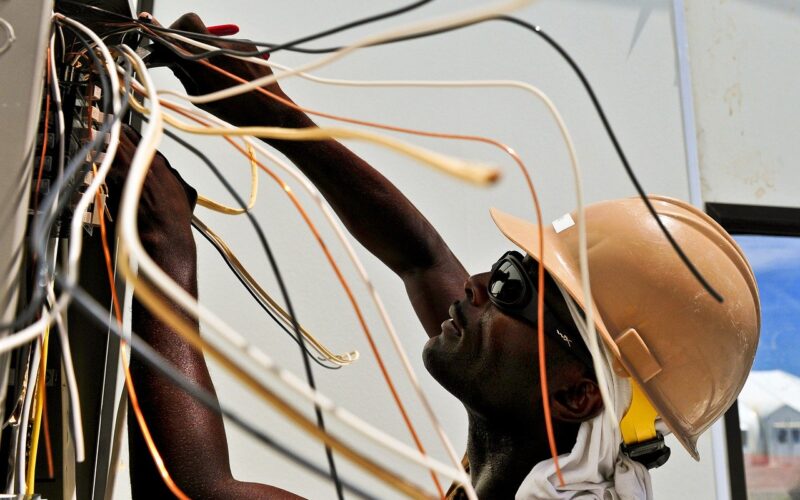
Modern bathrooms require more electrical capacity than older ones. If you're installing heated floors, additional lighting, an electric shower, or extractor fans, your existing electrical system might not be sufficient. Older wiring may also fail to meet current safety standards, particularly regarding bathroom zones and waterproofing requirements.
Bringing your bathroom's electrics up to code protects your home and family, but it's another unexpected expense. Electrical work in bathrooms is particularly complex due to safety regulations, and costs typically range from £400 to £1,200.
Asbestos removal
Homes built before 2000 may contain asbestos in floor tiles, pipe insulation, or ceiling materials. If your contractor discovers asbestos during demolition, work must stop immediately until licensed professionals can safely remove it. This isn't just a legal requirement—it's a serious health concern.
Asbestos removal costs vary depending on the amount and location, but expect to pay between £500 and £2,000 for professional removal in a standard bathroom. The delay can also extend your project timeline significantly.
Structural modifications
Sometimes your dream bathroom layout requires moving walls, doorways, or windows. What seems like a simple change can become complicated quickly if you're dealing with load-bearing walls or need to reroute plumbing and electrical systems. You might also need planning permission or building regulation approval for certain modifications.
Structural changes are among the most expensive surprises, potentially adding £1,000 to £5,000 or more to your bathroom upgrade, depending on the scope of work required.
Planning for the unexpected
The best way to manage hidden costs is to expect them. Most renovation experts recommend setting aside an additional 10-20% of your total budget for unexpected expenses. For a £10,000 bathroom renovation, that means having an extra £1,000 to £2,000 in reserve.
Before work begins, hire a surveyor or experienced contractor to inspect your bathroom thoroughly. Whilst this adds an upfront cost, it can reveal potential problems before they become expensive surprises. Being financially and mentally prepared for hidden issues will help your new bathroom project proceed more smoothly, even when the unexpected inevitably appears beneath your old bathroom floor.